Network: When Satire Becomes Reality
I just watched Network, the classic 1976 film. I’ve said it before, but I’ll say it again: our reality today resembles the satire of the past to an alarming degree.
Network predicts the blurring of entertainment, opinion and news on television almost perfectly. It’s as though screenplay author Paddy Chayefsky traveled to our time, watched a couple of hours of cable news and, upon returning to the 70′s, started work on his screenplay.
Already in the 70′s, ratings determined the editorial direction of each news broadcast. Telling the truth is one value; getting as many people as possible to watch your show is another.
If a journalistic institution is doing well, truth has a chance. When times get rough, it’s time to focus on ratings regardless of truth.
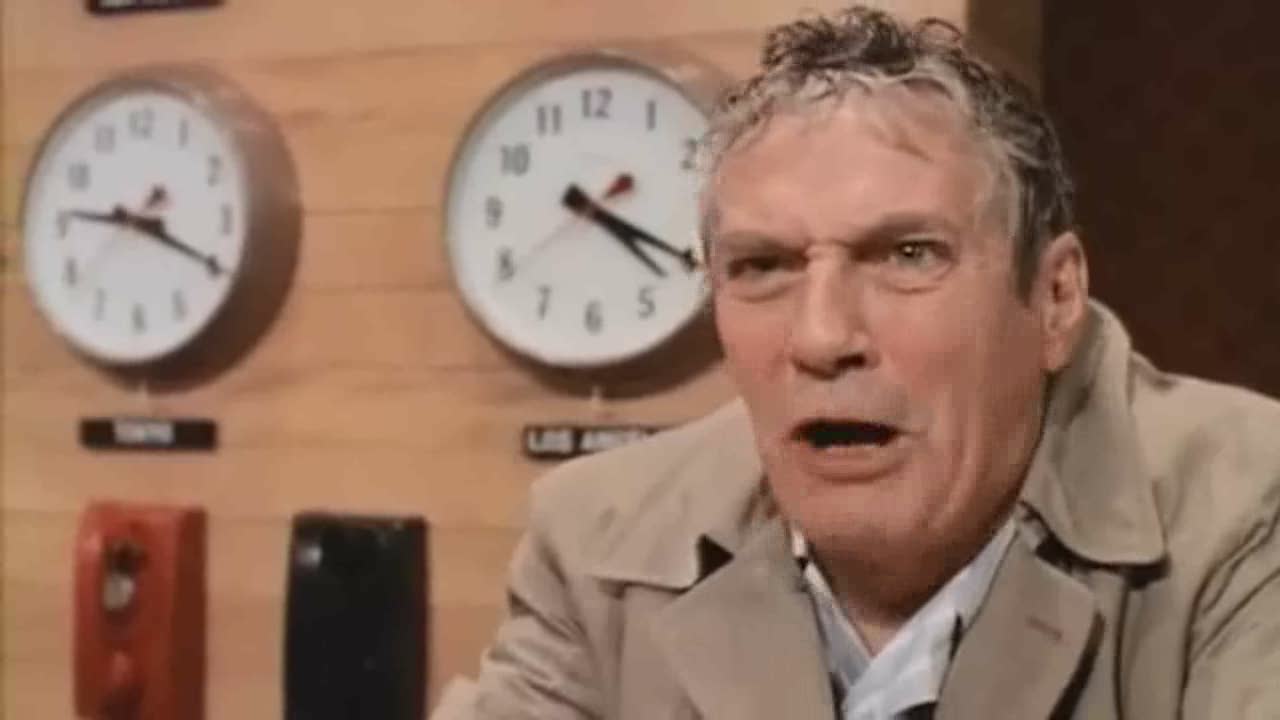
Network takes this truth to its logical conclusion. Howard Beale, a respected newsman about to be fired because of bad ratings, calmly states he intends to kill himself on air. The resulting publicity makes him a sensation, and his follow-up rants only accelerate this.
Beale’s rants are perfectly out of sync with the cool headed TV journalism of the 70′s, but wouldn’t seem out of place on Fox News today. At all.
This is what makes watching Network in 2011 so compelling: the shift away from reason and towards a shallow populism is predicted as the inevitable result of the quest for ratings.
The media landscape is radically different today than it was in the 70′s. There are hundreds of TV channels competing for time, and then you have the Internet.
Do we ever have Internet. It’s gotten to the point where a two hour story is considered old, and as such not worth digging into more.
The quest for attention, for ratings, is triumphing over truth. Write the most sensational headline possible and you’ll get high ratings. Throw in some search engine friendly terms, because we’ve got to get traffic up. Avoid overly depressing topics; they won’t play well on Twitter or Facebook.
Throw a cat picture in there; that will attract some attention.
The Internet is a social medium lacking central control. It’s still evolving, and it’s not too late for us to make it productive. It’s not going to be easy, but let’s see what’s possible. Who’s with me?


As a huge fan of the Freakonomics books I was thrilled to see the new film based on them last night. I’m still not sure if the film lived up to my massive expectations, but I am sure I enjoyed it.
The first segment, directed by Super Size Me’s Morgan Spurlock, examines whether a given name can cause a child to turn out a certain way. Paced quickly in Spurlocks typical style, this segment concludes that your name doesn’t so much cause your future as tell you a lot about the socio-economic situation you were born into. There are some cheap laughs here, which I enjoyed, and it’s a great short to start with.
Happily things picked up during the finale: Can a Ninth Grader Be Bribed to Succeed. Directors Heidi Ewing and Rachel Grady made one of my favorite films, Jesus Camp, in which they excelled at letting kids talk for themselves. This segment excels at that too, as economists try to encourage kids to do well in school by offering cash incentives. I think this was my favorite part of the movie, because the kid’s motivations were so clearly defined and because the incentives didn’t seem to work the way you’d expect.