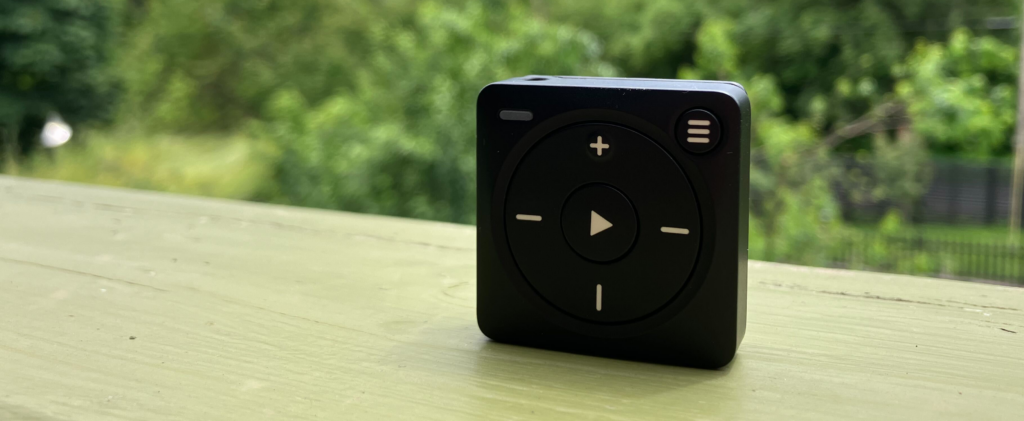
A couple years ago I reviewed the Mighty 3, which I called the iPod Shuffle for the Spotify era in an article for Lifehacker. By April the device might be useless to me.
“Due to changes to Spotify’s platform, we will no longer be able to support Spotify on Mighty beginning April 21, 2027,” the company recently announced. “While this change doesn’t take effect until next year, we wanted to let you know early.”
There is currently no way for Mighty owners to add their own, non-streaming music or podcasts to the device. You can still sync your Mighty with Amazon Music, a borderline unusable streaming service that feels like something an intern only vaguely familiar with the concept of music put together in between coffee runs. Software is subjective, though, and if you like Amazon Music you can still use your Mighty.
From my perspective, though, the Mighty 3 will be a brick by April. There’s a ray of hope: Mighty’s announcement states that the team is “building new ways to keep your Mighty playing your favorite songs well beyond 2027,” beyond Amazon. I emailed, introducing myself as a journalist who reviewed the device and asking what sort of features are coming. I was told the company “will be announcing a new distraction-free device in mid-December,” which isn’t exactly encouraging. This may be a misunderstanding, I admit, but it sounds to me like they’re giving up on the Mighty 3 doing anything but playing music from Amazon. (I asked for clarification; I have not heard back.)
I feel bad if anyone bought the Mighty 3 based on my 2024 review, because the gadget is going to be a lot less useful come April.
The problem with reviews
By definition any hardware review is going to reflect a very limited experience. Ideally you get a couple weeks to test things; most of the time it’s more like a day or two. As a freelancer I’m paid by the article, not the hour, so I generally can’t linger on a piece for long if I want to make a living.
Most devices work well for a couple days, but may start to reveal cracks after extended usage. Reviews can’t capture those sorts of issues. With the Mighty, the biggest problem was syncing—the process failed for me, constantly, but that started a month after publication. I ended up wiping the device and starting over multiple times. I’m sure I’m not alone with this frustration.
I recently dug out my old iPod Shuffle, a 4th generation device first released in 2010. I downloaded a complete season of KEXP’s Runcast, dragged the files to the device, and used a third-party script to refresh the database. It worked, flawlessly, and has completely replaced my Mighty for runs.
Say what you will about Apple, but this device from 2010 still works a decade and a half later. That’s because it’s built to support standard file types, not just DRM-protected media from streaming services. The Mighty—and any hardware built entirely around streaming platforms—will only work as long as the separate streaming companies allow it to.
I doubt anyone reviewing the Shuffle in 2010 gave a moment’s thought to whether the device would still work in 2026. I didn’t question the the Mighty’s longevity in my review. That’s a problem. But it has taught me an important perspective that will influence my reviews in the future—and inspires me to write more about how to keep old hardware working.

Join the conversation